How an exercise is built
Exercises have 1, 2 or 3 parts.
For any type of exercise, there can be a waiting delay of 2 s to 20 s (programmed and mentioned in the exercise title: T20 means a 20-second delay).
Example of the parts of an LR-O exercise
| Part | What happens |
|---|---|
| 1st part | the child hears the name |
| 2nd part | the child points to the object whose name they heard |

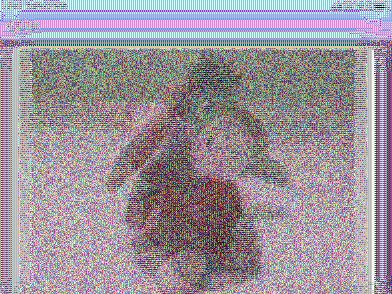
Example of the parts of an AI- exercise
| Part | What happens |
|---|---|
| 1st part | the child sees the object and hears the name |
| 2nd part | the child points to the same object |


Example of the parts of a W-O exercise
| Part | What happens |
|---|---|
| 1st part | the child sees the object and hears the name |
| 2nd part | the child points to the same object |
| 3rd part | the child sees the image again and must name it |



Example of the parts of a W-Opa exercise
| Part | What happens |
|---|---|
| 1st part | the child sees the object (in a scene) and hears the name |
| 2nd part | the child points to the same object |
| 3rd part | the child sees the object again and must name it |
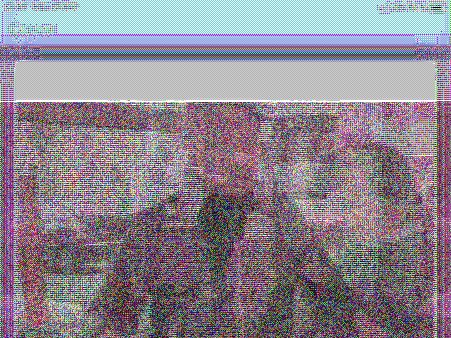


Example of the parts of a W-Apo exercise
| Part | What happens |
|---|---|
| 1st part | the child sees the action and hears the name |
| 2nd part | the child points to the same action |
| 3rd part | the child sees the video of the action again and must name it |

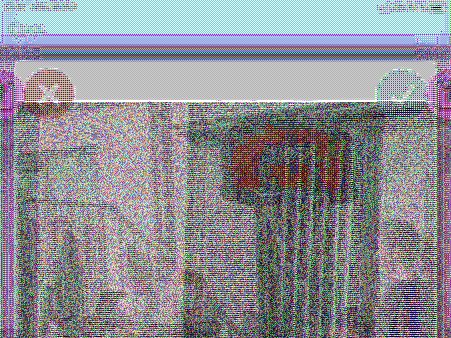
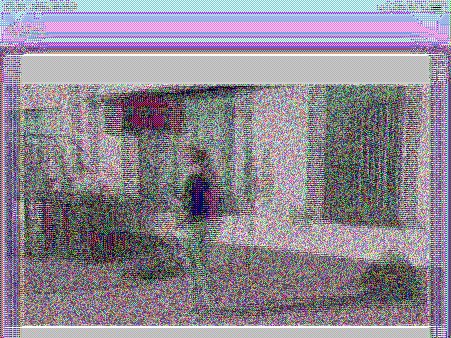
Example of the parts of an LRT-O exercise
An LRT- exercise has 3 parts because, after pointing to the right image, the child must name it (whereas for an LR- they only have to listen and point).
| Part | What happens |
|---|---|
| 1st part | the child hears the name of the object |
| 2nd part | the child points to the same object |
| 3rd part | the child sees the image again and must name it |